Monday - Friday 07:30 - 17:30, Saturday 07:30 - 16:00
Kingston Professional Floor Sanding
Back to Portfolio
Kingston Professional Floor Sanding
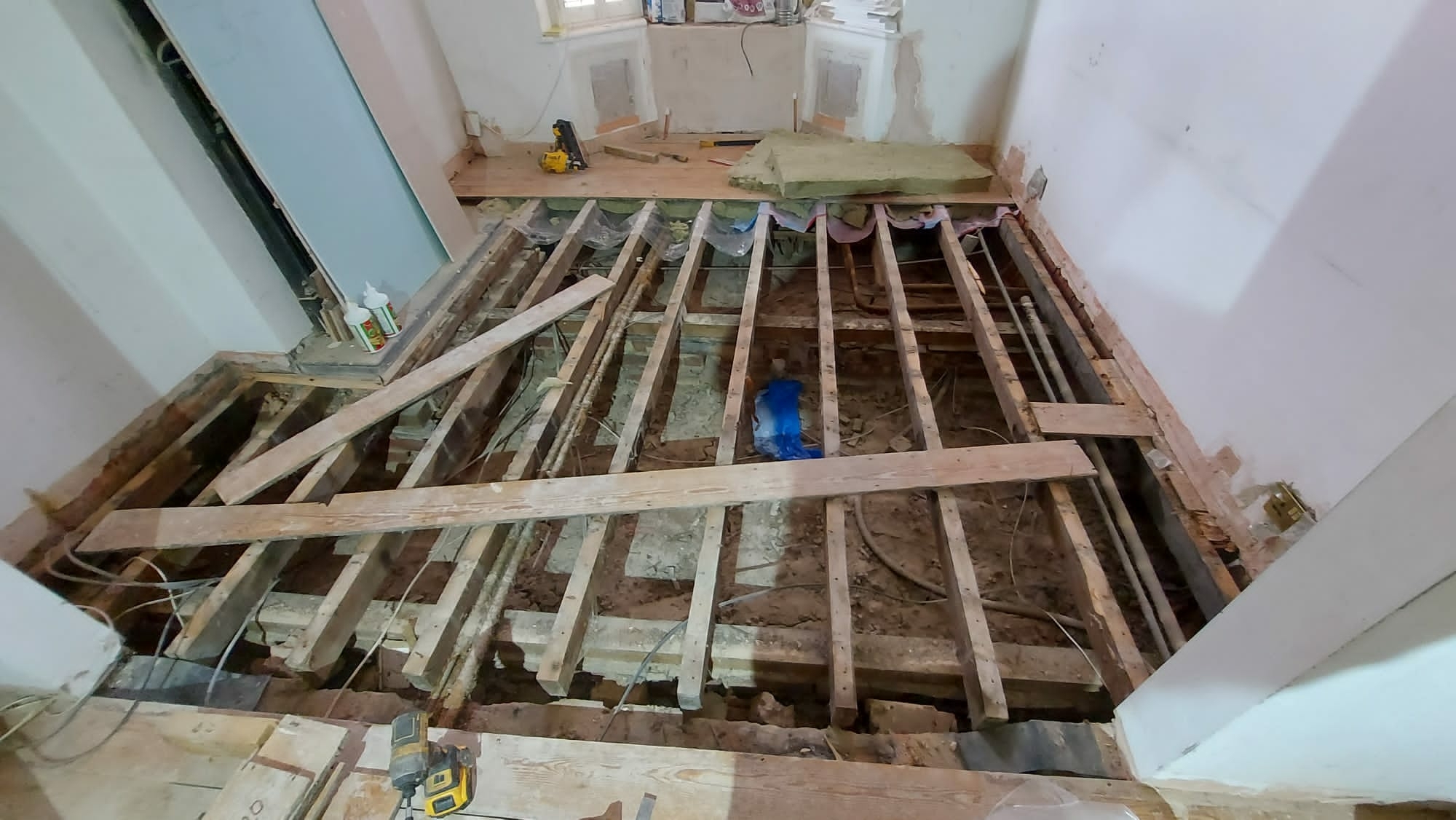
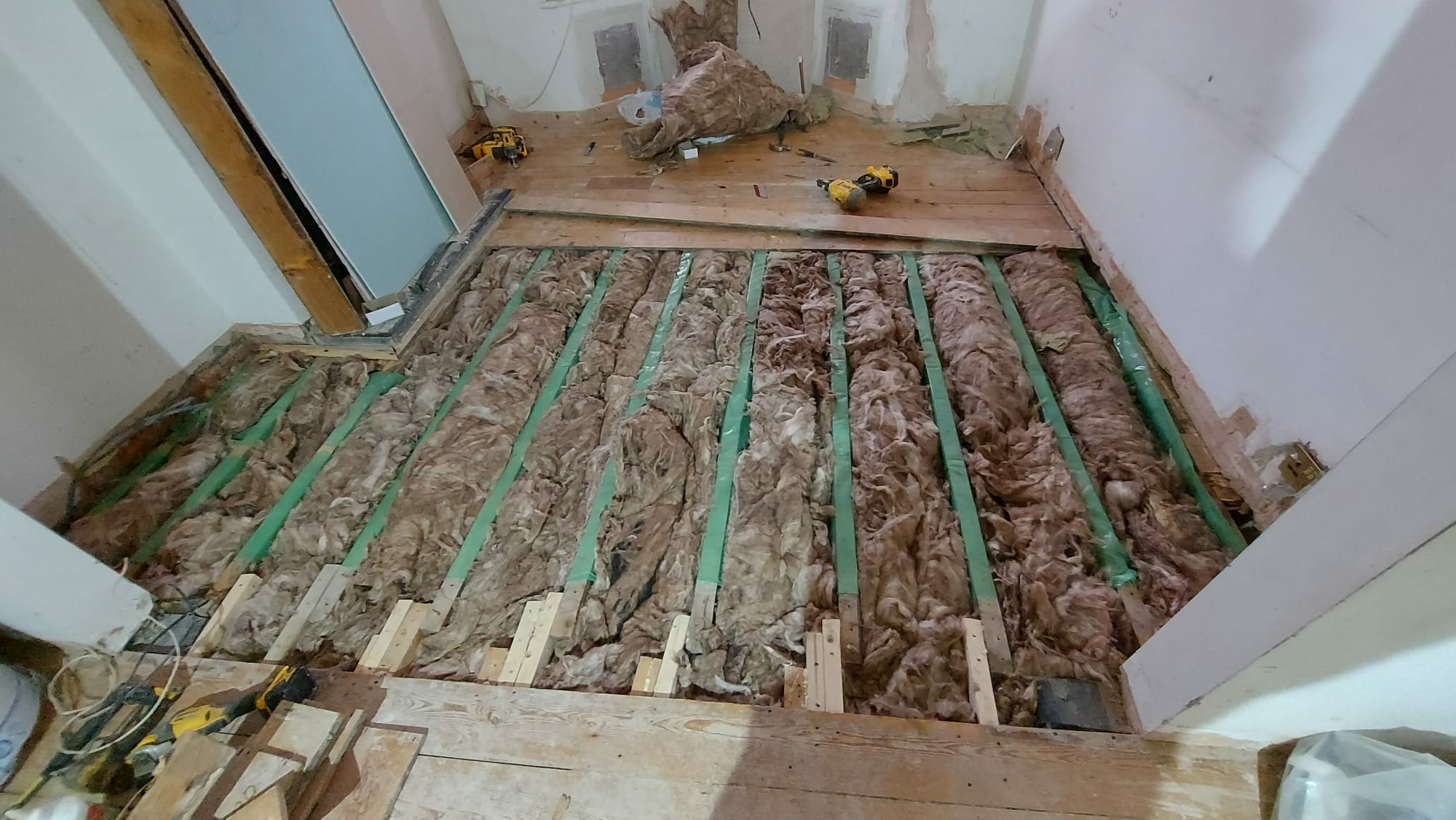
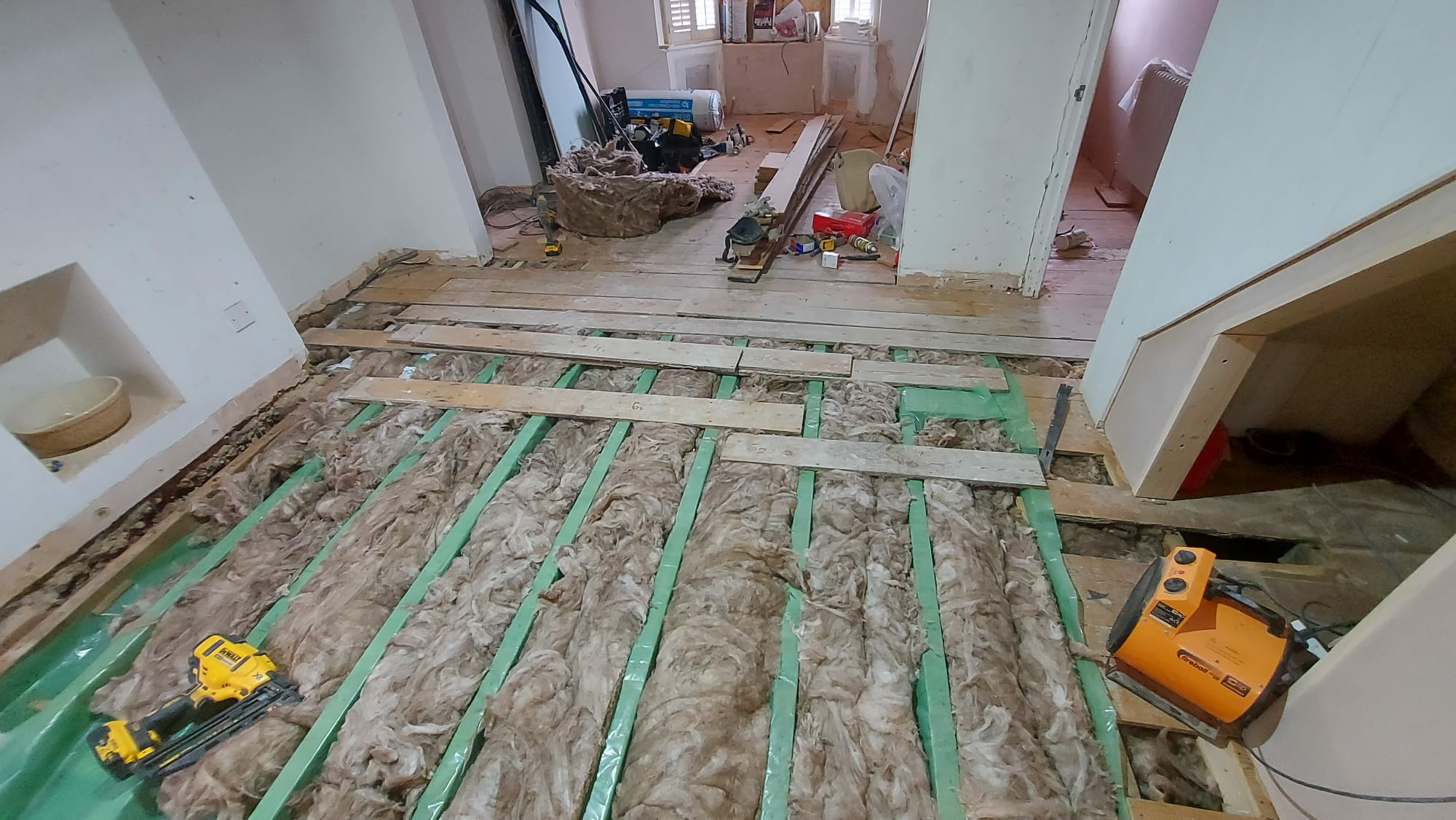
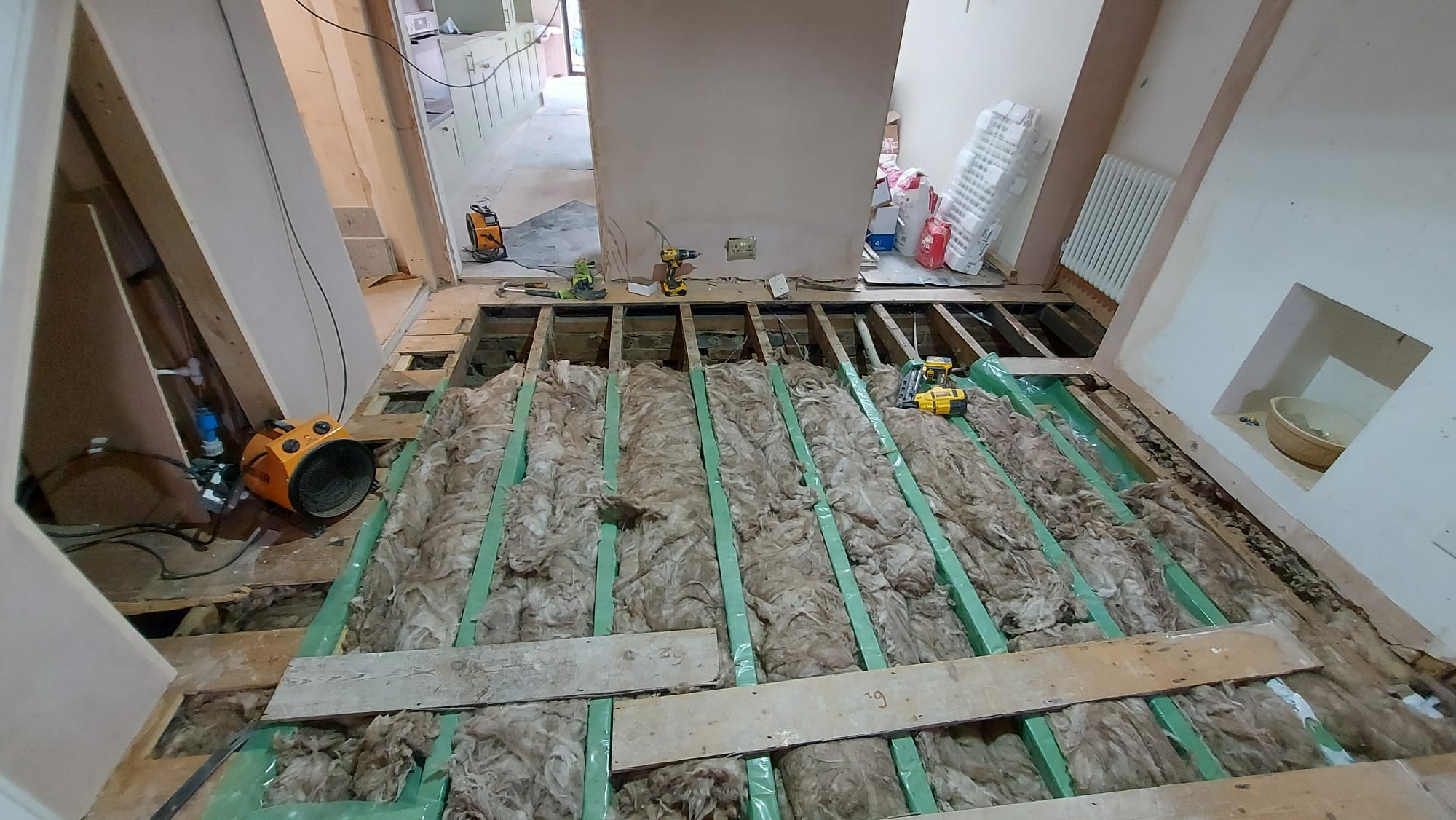
We recently completed a full floor sanding project on a Victorian terraced property in Kingston, restoring three rooms of original hardwood flooring that had become dull and scratched over decades of use. The work involved stripping back multiple layers of old finish, sanding the timber smooth, and applying a modern protective coating that would stand up to daily family life.
Work carried out
- Three room preparation and protection
- Coarse, medium and fine grit sanding passes
- Edge sanding and detail work around skirting boards
- Dust extraction throughout the process
- Wood filler application to gaps and damage
- Two coat polyurethane finish application
- Final inspection and quality sign off
About the project
The property owner had noticed the floorboards becoming progressively darker and uneven in appearance, with the varnish worn through in high traffic areas. When we first visited, the wood underneath was in decent condition but the existing finish was acting as a barrier to any meaningful cleaning. The rooms themselves presented some challenges: uneven subflooring in places, a few gaps between boards that had opened up with age, and skirting boards that had been painted over multiple times, making them difficult to work around cleanly.
Our approach was to start with a thorough dust containment setup before touching anything. We sealed doorways and windows, set up extraction equipment, and worked methodically through three sanding grits to bring the surface back. The Victorian property had slightly dished floorboards, so we paid particular attention during the coarse sanding stage to level out the high spots without removing too much material. Once we reached the fine sanding stage, the boards responded well. We filled the larger gaps with a colour matched wood filler, which makes a noticeable difference to the finished look. The final two coats of polyurethane went down smoothly, and the client was pleased with how much the original character of the wood had been restored.
About our Kingston Professional Floor Sanding service
Kingston has a strong mix of Victorian and Edwardian properties, along with some inter-war semis and newer conversions. We work regularly across the area, and the Victorian terraces tend to have the most interesting flooring challenges. The original boards are often pine or mixed hardwoods, and they've usually been through several generations of finishing attempts. Many properties have had carpet laid over the top for years, so the boards underneath are often cleaner than expected, though sometimes you find old adhesive residue or nails that need careful removal. Edwardian properties tend to have slightly better quality timber throughout, sometimes with parquet areas or borders that require more precision work.
The newer properties and converted flats sometimes have laminate or engineered boards that can't be sanded traditionally, so we always check what we're dealing with before quoting. When solid wood is present in these newer builds, it's usually been installed more recently and tends to sand more predictably. We're familiar with the specific challenges of working in Kingston's period properties, including older plumbing that runs under floors, uneven joists that have settled over time, and the practical headache of protecting period features while working. We've developed efficient processes for moving between rooms and managing dust containment in older properties where there are more gaps in the building envelope than you'd find in modern homes.
Frequently asked questions
How much does floor sanding typically cost?
Sanding costs generally fall between £25 and £45 per square metre, depending on the current condition of the floor, the timber type, and what finish you want applied. A heavily damaged floor or one with thick old adhesive will cost more. We survey each job individually and provide a fixed quote once we've assessed the work properly.
How long does the sanding process take?
A typical three-room project like this one takes four to five working days from start to finish. That includes sanding, filling, and two coats of finish with drying time between coats. Smaller single rooms can be done in two days. We factor in extra time for older properties where the boards are uneven or where there's more edge work around irregular skirting.
Is the dust extraction process effective?
We use industrial-grade dust extraction equipment throughout the sanding process, which captures approximately 99 per cent of the dust at source. The setup requires sealing doorways and running an extraction hose, which is why we take time to protect the property properly. Clients can normally move back into sanded rooms within 24 hours of the final coat, once it has cured.
Project Gallery